CONFIRMED
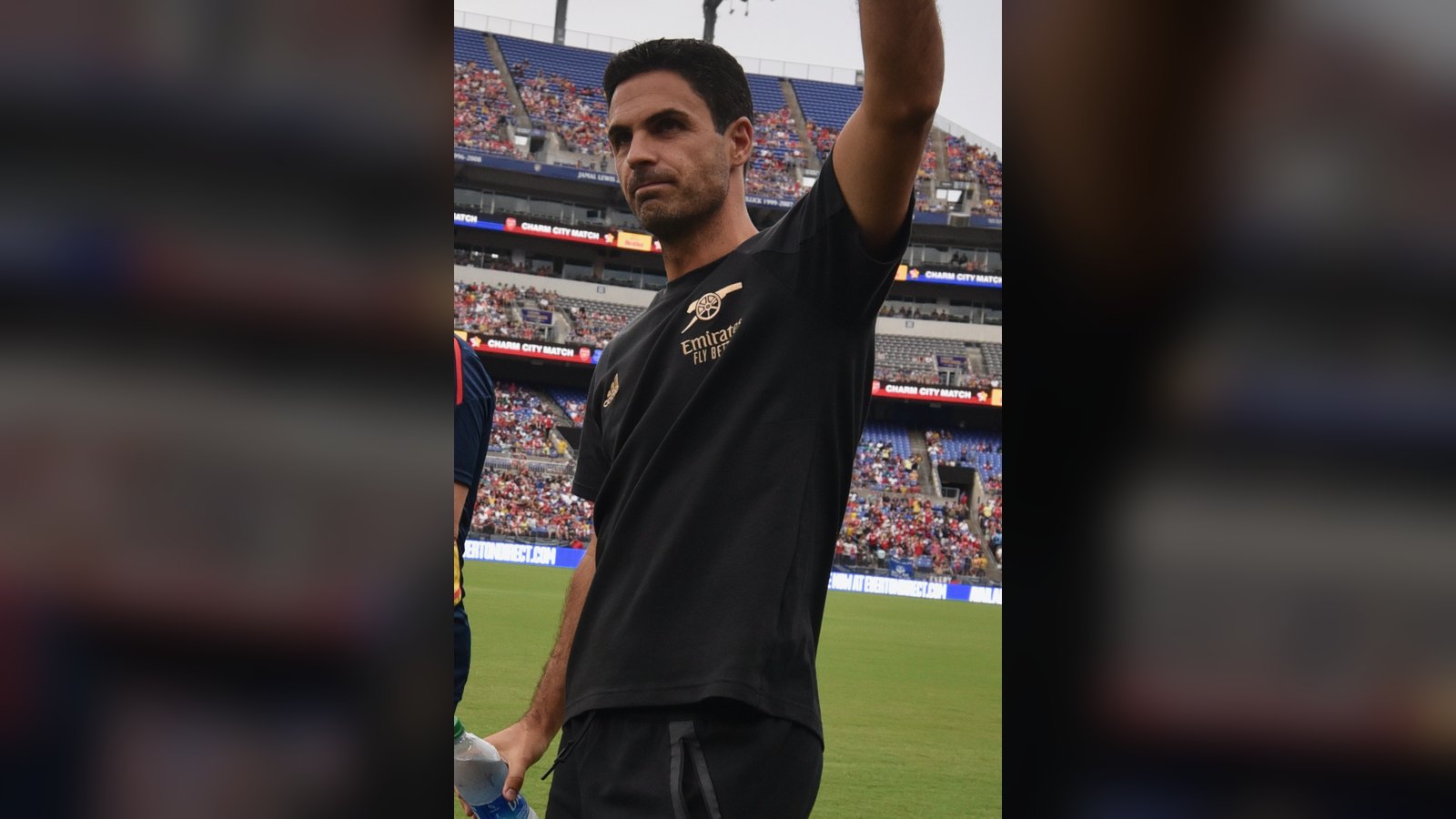
Mikel Arteta has refused to reveal what he told Max Dowman as the 16-year-old walked off after his red card in Arsenal’s Carabao Cup exit at Fleetwood Town. Arteta told reporters only that it was “something that we discussed before the game”, while Sky Sports pundits Paul Merson and Jobi McAnuff criticised how he handled the moment. Sky Sports News reports Arsenal are appealing the card.
What we know
ESPN and Sky Sports report that Arsenal drew 1-1 with League Two Fleetwood at Highbury Stadium on 27 October 2026, then lost the shootout, 5-3 according to ESPN.
Dowman was sent off shortly before the shootout. Sky Sports reported on 28 October that it was for violent conduct, after he kicked out at Neal following a strong challenge on him. ESPN and the Standard put it in the 85th minute, while one outlet says the 86th. Sky Sports says it was his first senior dismissal.
As Dowman passed the dugouts, Arteta leaned in and said something. He later called it “something that we discussed before the game” and would not elaborate. He added that he had not seen the incident back, that the cameras did not show clearly what happened, and that the referee made the decision and that was that. He also noted Arsenal created three big chances for a second goal with 10 men.
Merson said on Sky Sports that Arteta would not react that way to an experienced international such as Viktor Gyökeres, and that he would have put an arm around Dowman. McAnuff agreed Arteta “didn’t get that quite right”.
Sky Sports News’ Lyall Thomas reports appeal documents are due with the FA by 1pm on Thursday 29 October. Arsenal hope for a verdict before Sunday’s trip to Liverpool, but the FA decides when.
Now the law. IFAB Law 12 defines violent conduct as when a player “uses or attempts to use excessive force or brutality against an opponent when not challenging for the ball”. It is a sending-off offence. Force inside a challenge for the ball falls under serious foul play. Force away from the ball is violent conduct. No official PGMOL or FA explanation of this decision appeared in the sources reviewed.
What is rumored
The Evening Standard, via Yahoo, says it “understands” Arsenal see the red as disproportionate to Dowman’s reaction to Neal’s tackle. It is an established outlet, but this is an unnamed-source claim about club mood, and no official club statement was found.
GiveMeSport, an aggregator-style outlet, says the pre-match chat is “assumed” to have been an instruction not to retaliate against physical play. Arteta has not confirmed that.
Former referees offered opinions, not rulings. Dermot Gallagher said on Sky Sports News the appeal would fail because of Dowman’s aggression and intent, though Arsenal should have had a free kick and Neal a yellow. Keith Hackett, in social media posts picked up by GiveMeSport and later cited by Lente Desportiva, backed the red as correct while noting that Neal’s challenge deserved a yellow card. Sky co-commentator Andy Hinchcliffe called the red harsh, so the pundits are split.
What we don’t know yet
Arteta’s exact words. Whether the FA rules before Liverpool, and whether the appeal succeeds. Why only Dowman was punished, since no official explanation has surfaced.
What it means
A violent conduct red normally carries a three-match domestic ban. The Evening Standard reports Dowman would miss Liverpool on 1 November, Hull and Newcastle if the appeal fails. The ban does not cover Europe, so he would be available against Slavia Prague on 4 November.
Was the criticism fair? Partly. Merson’s question about whether a teenager gets different treatment from a seasoned international is reasonable, and a manager leaning into a 16-year-old on his walk off was never going to look gentle. But nobody outside the club knows what was said. A reminder of an agreed plan reads very differently from a dressing-down, and Arteta has chosen to keep it private.
The law is clearer than the drama. Dowman, who scored twice against Ipswich in the last round and was making his second start of the season according to Yahoo Sports, reacted to a heavy challenge. Law 12’s definition says nothing about who started it. That is a hard lesson at 16, and a familiar one at any age.